

 EN
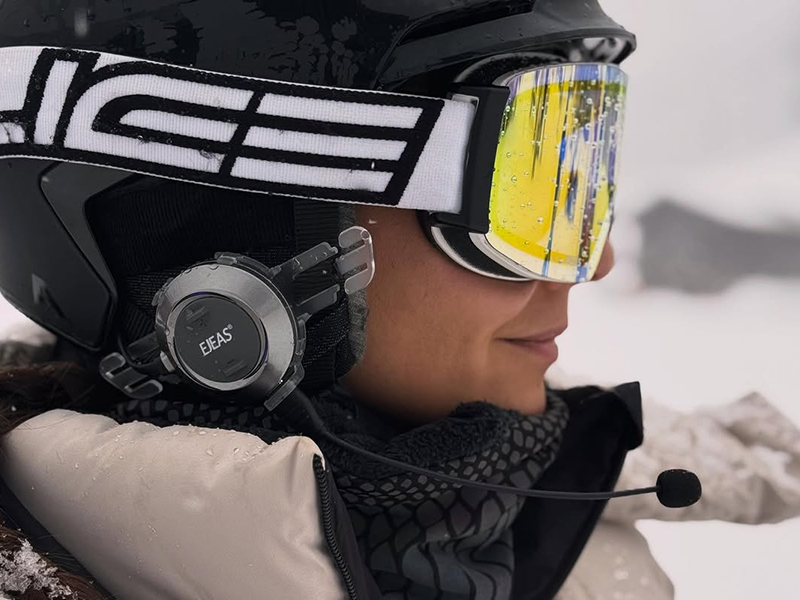
Core Architecture of a Modern Snowmobile Helmet Communication System
Riding across vast snowfields at high speed creates a serious communication barrier for winter powersports enthusiasts. Once engines roar to life and icy winds whip across the visor, hand signals quickly lose effectiveness whenever snow dust or dense pine forests block visual contact. A dedicated snowmobile helmet communication unit solves that exact problem by integrating a compact wireless transceiver, high definition speakers, and a directional microphone directly into protective headgear. Unlike basic consumer earbuds that slip out of place and cause painful pressure points inside a snug snowmobile helmet liner, purpose built intercom hardware sits flush against the outer shell and routes ultra thin acoustic drivers into pre molded ear pockets. Riders can talk naturally with trail partners, listen to GPS turn directions, and stream music without ever taking a glove off the handlebars. Inside a modern snowmobile helmet setup, digital signal processors continuously separate human vocal frequencies from low frequency engine rumble. That seamless integration transforms a standard snowmobile helmet from passive impact protection into an active command center that keeps entire riding groups coordinated across unpredictable alpine terrain.
Field Experience on Freezing Backcountry Trails and Subzero Reliability
Real world trail testing in places like northern Minnesota, Yellowstone backcountry bowls, and the Canadian Rockies quickly exposes why ordinary summer headsets fail when mounted on a snowmobile helmet in deep winter conditions. During a multi day expedition when ambient temperatures plunge below minus twenty degrees Celsius, standard lithium batteries suffer rapid voltage drops and shut down within an hour. A winterized snowmobile helmet intercom overcomes extreme thermal loss through cold resistant lithium polymer cells and insulated circuit boards that maintain twelve to eighteen hours of active talk time. Moisture management is another critical factor discovered through years of snowy trail riding. Warm breath condensing inside a closed snowmobile helmet chin bar can freeze a cheap microphone solid within minutes. Experienced trail guides rely on hydrophobic acoustic foam shields and IP67 waterproof housing to keep ice crystals from blocking vocal pickup. Furthermore, operating tiny flush buttons while wearing thick insulated gauntlets is practically impossible during a whiteout blizzard. A thoughtfully engineered snowmobile helmet unit features oversized tactile buttons or a handlebar remote controller so riders can adjust volume or trigger group intercom channels by feel alone, keeping full attention on hidden tree wells and steep snow drifts.
Engineering Expertise in Dynamic Mesh Networking and Noise Suppression
Looking beneath the outer casing reveals how wireless protocol selection dictates group safety in mountain terrain. Older Bluetooth intercom systems connect riders in a rigid daisy chain where a single rider dropping behind a ridge breaks the entire communication link for everyone else. Modern Mesh networking technology inside a premium snowmobile helmet communicator creates a self healing multipoint network instead. Every unit acts as an independent relay node, allowing six to hundreds of riders to talk simultaneously across distances reaching three to seven kilometers with automatic five millisecond reconnection whenever a sled comes back into range. Acoustic engineering inside the snowmobile helmet is equally sophisticated. Two stroke and four stroke snowmobile engines generate intense acoustic pressure exceeding ninety five decibels, compounded by turbulent wind shear at seventy miles per hour. Advanced artificial intelligence noise reduction algorithms sample ambient noise thousands of times per second inside the snowmobile helmet cavity and invert those destructive sound waves before transmitting voice packets. Even when a rider shouts a sudden hazard warning over wide open throttle, the receiving snowmobile helmet speakers deliver crisp, high fidelity voice audio without ear fatiguing static or wind clipping.
Safety Authority and Global Certification Standards for Winter Headgear
Installing electronic accessories onto protective riding gear requires strict adherence to international safety and telecommunications regulations. Organizations such as the International Snowmobile Manufacturers Association and avalanche safety educators consistently emphasize that instant voice coordination reduces trail collisions and speeds up emergency rescue response times during avalanche burial scenarios. However, adding a communication module must never compromise the structural integrity of a snowmobile helmet shell tested under Department of Transportation FMVSS 218, Snell Memorial Foundation, or European ECE 22.06 impact standards. Reputable communication manufacturers design clamp mounts and cold weather adhesive plates that attach cleanly to the lower trim of a snowmobile helmet without drilling holes or compressing the internal expanded polystyrene impact liner. On the radio frequency side, professional snowmobile helmet electronics undergo rigorous laboratory testing to earn FCC, CE, BQB, and TELEC compliance certificates. Those authoritative certifications verify that the wireless transceiver inside the snowmobile helmet operates within legal electromagnetic spectrum limits, avoids interfering with avalanche transceivers operating at 457 kilohertz, and protects riders from specific absorption rate radiation hazards during all day winter excursions.
Practical Buying Criteria and Transparent Maintenance for Riders
Selecting the right communication setup depends heavily on helmet style and typical riding terrain. Riders wearing a modular snowmobile helmet with a flip up chin bar benefit most from a flexible boom microphone that moves smoothly without snagging on the breath box, whereas riders preferring a full face mountain snowmobile helmet with goggles often choose a low profile button microphone mounted inside the cheek pad. Buyers should look past exaggerated marketing claims regarding wireless distance. While open frozen lakes allow line of sight connections over several kilometers, dense timber and steep granite canyons naturally absorb radio waves, making true Mesh relay capability essential for a dependable snowmobile helmet setup. Honest battery care also extends hardware lifespan significantly. Riders should never charge a frozen snowmobile helmet intercom immediately after coming indoors, because rapid warming causes internal condensation and lithium plating on the anode. Letting the unit warm up to room temperature before plugging in a USB Type C cable preserves battery capacity across hundreds of winter charge cycles and guarantees reliable trail performance season after season.
Commercial Value and Supply Chain Strength with EJEAS Manufacturing
For powersports dealerships, winter tour operators, and regional distributors, partnering with an established snowmobile helmet electronics manufacturer turns seasonal accessories into a high margin revenue stream. Founded in 2005, EJEAS has spent over two decades refining independent research, acoustic engineering, and vertical production within a 6000 square meter ISO9001 certified factory staffed by more than 200 skilled employees. By holding proprietary Mesh intercom patents and delivering specialized winter models like the S2 Snow Eagle and X10 Plus, EJEAS equips every snowmobile helmet with crystal clear AI noise reduction, universal brand pairing, and rugged subzero durability. Serving over 10 million users across 200 countries and regions, EJEAS backs global wholesale partners with full industry chain quality control, consistent inventory fulfillment, and comprehensive international certifications. Whether outfitting a commercial rental fleet of fifty sleds or supplying retail shelves with premium snowmobile helmet communication systems, choosing EJEAS ensures reliable supply chain stability, strong brand recognition, and proven field performance that keeps winter riders connected in the toughest snow conditions on earth.
Table of Contents
- Core Architecture of a Modern Snowmobile Helmet Communication System
- Field Experience on Freezing Backcountry Trails and Subzero Reliability
- Engineering Expertise in Dynamic Mesh Networking and Noise Suppression
- Safety Authority and Global Certification Standards for Winter Headgear
- Practical Buying Criteria and Transparent Maintenance for Riders
- Commercial Value and Supply Chain Strength with EJEAS Manufacturing